
Welcome to our Shop


Did you know that the digital camera market in the United States is projected to hit a whopping $2.3 billion in 2023? That’s a lot of shutter clicks!
For many beginners, choosing professional camera equipment can feel like trying to navigate a maze blindfolded. You’ve got your DSLR cameras, mirrorless cameras, and a dizzying array of lenses, tripods, and lighting equipment. It’s enough to make anyone's head spin.
Consider this: you’ve just bought your first digital camera for that epic trip to Bali. You’re excited! But wait-what about a lens? Or a sturdy tripod? Or maybe even a gimbal stabilizer for those smooth video shots? The pressure mounts as you realize that the right photography gear can make or break your experience.
The right gear not only enhances your creativity but also ensures you capture those fleeting moments perfectly. Choosing wisely can save you time, money, and frustration down the road.
This blog post will guide you through the jungle of camera equipment options available today. We’ll break down essential components like lenses, tripods, and lighting kits while addressing common pitfalls that beginners often face.
Whether you're part of Gen-Z looking to kickstart your photography journey or a Baby Boomer rediscovering an old passion, this guide is tailored just for you. So grab your favorite beverage (coffee or tea-no judgment here) and let’s get started on selecting the best professional photography equipment that suits your needs!
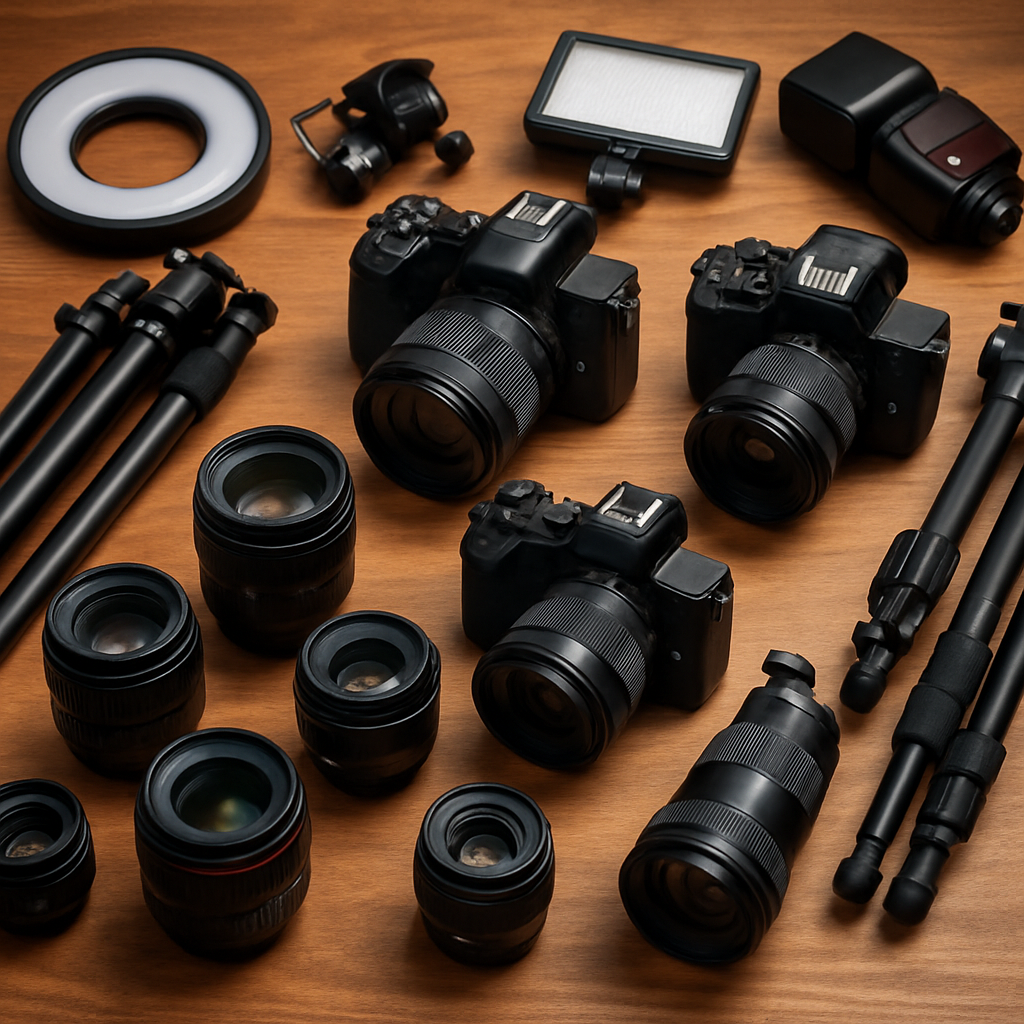
Here's a shocking fact: Over 75% of beginner photographers end up unhappy with their camera choices, often because they didn't fully understand their equipment. Ouch! That’s like buying a fancy sports car and only using it to drive to the grocery store.
When you step into the world of professional camera equipment, it’s crucial to grasp the essentials. Let’s break down what you need to know before swiping your card at that tech store.
The first decision on your journey is choosing between DSLR and mirrorless cameras. Why does this matter? Because each type has its quirks:
If you're feeling adventurous, consider high-end options like full-frame cameras or even professional video cameras for stunning results that’ll make your friends green with envy.
Your camera body is just the start. Here are some key components that can elevate your photography game:
Your choice in accessories can make all the difference in achieving professional-looking photos without breaking a sweat-or the bank!
Lenses are where things get really exciting! They’re like the magic wands of photography gear:
Your lens choice should align with what you love to shoot most. Don’t just grab what looks cool; think about how you'll use it!
The distinction between professional and beginner equipment can be stark. Professionals often invest in high-end cameras with superior image quality, faster autofocus systems, and robust build quality that withstands harsh conditions. Beginners might opt for more budget-friendly options that still deliver decent results but lack advanced features.
| Beginner Equipment | Professional Equipment | |
|---|---|---|
| Cameras | Adequate image quality, fewer features | High-resolution sensors, extensive controls |
| Lenses | A few basic options available | A wide variety including specialty lenses (macro, tilt-shift) |
| DURABILITY | Might struggle in tough conditions | Built to withstand weather extremes |
Selecting between beginner and professional gear ultimately depends on your goals-are you snapping selfies for Instagram or aiming to create gallery-worthy masterpieces?
The world of camera equipment basics, while overwhelming at first glance, opens up endless creative possibilities once you understand it better. Now that you've got the scoop on types of cameras and essential components, it's time to take that knowledge out into the field! Happy shooting!
Ever tried to bake a cake without knowing what ingredients you need? Choosing professional camera equipment can feel just as chaotic if you don’t first identify your photography needs. Imagine standing in a camera store, surrounded by shiny DSLRs, mirrorless marvels, and an overwhelming array of lenses. It’s like being a kid in a candy store-exciting but utterly confusing!
The first step in this photographic adventure is understanding the types of photography you're interested in. Are you drawn to the serene beauty of landscapes, the candid moments of events, or perhaps the intricate details of macro photography? Each genre has its specific gear requirements that can make or break your shots.
Knowing what type of photography you want to pursue will help narrow down your gear choices and ensure you invest wisely.
Your photography passion will steer your equipment choices. Here’s a quick breakdown:
If technology isn’t exactly your jam, don’t sweat it! There’s no shame in needing something user-friendly. Beginners might find entry-level DSLRs or mirrorless cameras more intuitive than high-end models packed with features they may never use. It’s like choosing between an automatic and manual car; one gets you where you need to go without all the gears to worry about!
If you're already tech-savvy, then go ahead and explore advanced features! High-end cameras come with customizable settings that cater to every creative whim, allowing for greater control over exposure, focus points, and even video quality.
Your comfort level with technology should guide whether you opt for beginner-friendly options or dive into professional-grade gear right away.
Buckle up because this part can get tricky! As a beginner, it's easy to fall into the trap of thinking that more expensive gear equals better photos. Spoiler alert: that's not always true! You don’t need top-tier equipment when starting out; instead, focus on getting solid basics that fit within your budget.
| Beginners' Budget | Professionals' Budget | |
|---|---|---|
| Cameras | $500 - $1,000 (entry-level DSLRs/mirrorless) | $2,000+ (high-end models) |
| Lenses | $100 - $500 (basic zoom/wide-angle) | $1,000+ (specialty lenses) |
| Accessories | $100 - $300 (tripods & bags) | $500+ (lighting kits & stabilizers) |
Your budget will dictate not only what camera body you choose but also how much extra gear like lighting equipment and camera accessories you'll be able to buy. Choose wisely!
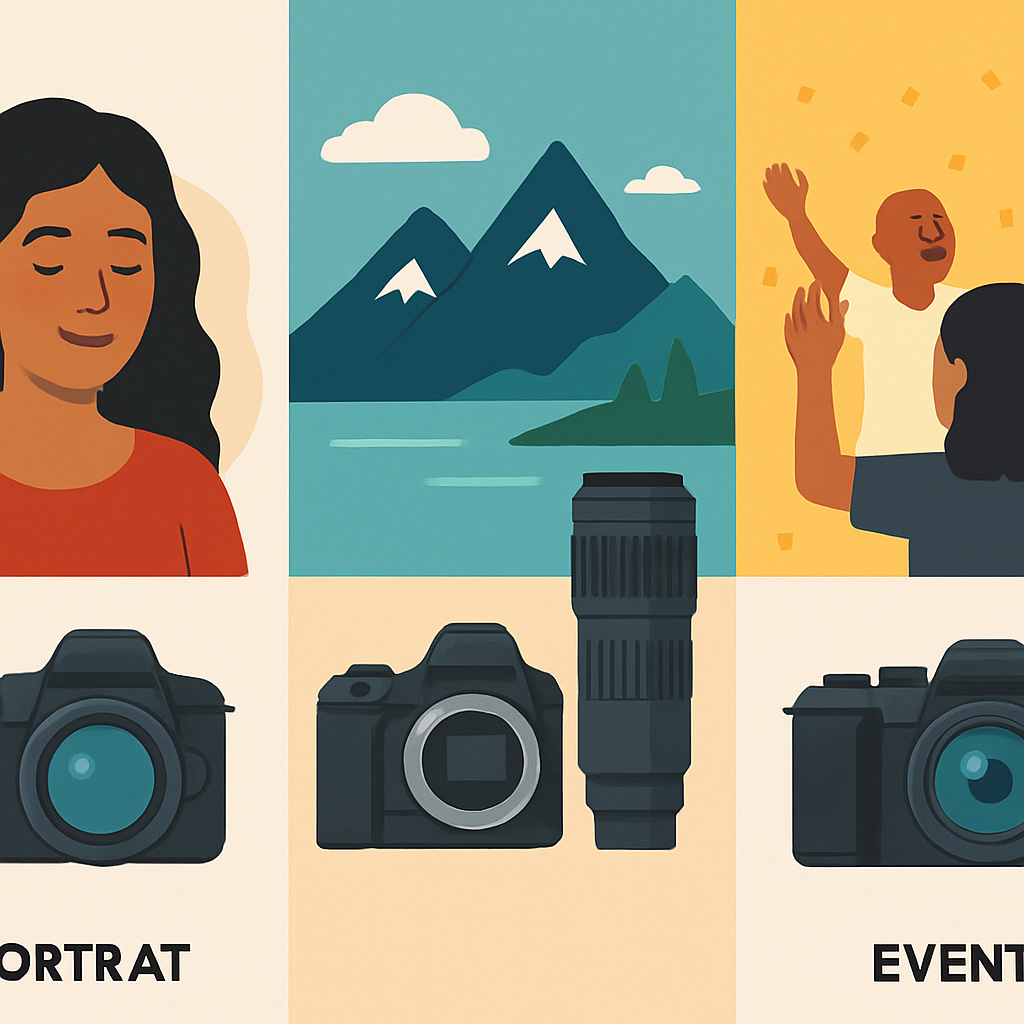
Nailing down your photography needs is crucial before diving into the sea of professional camera equipment. By identifying what type of photography excites you most, gauging your comfort with tech, and setting a sensible budget, you'll be well on your way to making informed decisions that elevate your photographic journey. So grab that camera bag (and maybe some snacks), because it’s time to start capturing life one click at a time!
Here’s a little nugget of wisdom: A staggering 90% of photographers say their choice of equipment directly impacts their creativity. That’s not just a statistic; it’s a reality check. You wouldn’t wear flip-flops to a formal event, right? Choosing the right professional camera equipment is just as crucial.
When you're starting your photography journey, understanding what features to prioritize can be the difference between capturing breathtaking images and, well, blurry regrets. Let's break down the essential features that will elevate your photography game and ensure you don’t end up with gear that doesn’t fit your style.
The right camera equipment can transform not just your photos but also your entire approach to photography. Choose wisely, and watch your creativity soar!
First off, let’s talk about image quality-this is where the magic happens! A good camera should have a sensor that captures stunning detail without graininess. You’ll want to look for:
If you’re anything like me, complicated menus make you want to throw your camera out the window. Look for equipment that offers intuitive controls:
The easier it is to adjust settings on-the-fly, the more time you'll have for being creative instead of fumbling with controls!
If traveling is on your agenda (and let’s be honest, it should be), consider how much weight you're willing to lug around. Here are some portability tips:
Your travel gear shouldn’t feel like an anchor dragging you down. Choose lightweight options so that capturing memories doesn’t become an exhausting chore!
Lenses are where personality shines through in photography! Depending on what you're aiming to capture, here are some must-haves:
Your lens selection should align with your photographic interests. Don’t just buy what looks cool; think about how you'll use each one!
Buying your first professional camera equipment can feel like trying to choose a favorite flavor of ice cream-there are just so many options! But don’t worry, you won’t need to sample every flavor before you find your perfect match. Let’s cut through the confusion and focus on what really matters.
First off, if you're just starting out, consider cameras that offer great value without overwhelming you with features. Here’s a quick rundown of some solid choices:
When it comes to entry-level gear, two main types stand out:
Your camera choice should align with your photography goals. Whether it’s landscapes or portraits, both DSLRs and mirrorless cameras can help you create stunning images!
No camera setup is complete without a few essential accessories to enhance your shooting experience. Here are some must-haves:
The right accessories can significantly enhance your photography experience and help protect your equipment as you explore!
The journey into photography should be exciting-not stressful! By choosing the right professional camera equipment, including cameras that offer great value and essential accessories tailored for beginners, you'll be well on your way to capturing stunning images that tell your unique story. So grab that gear and start exploring-your creative adventure awaits!
Here’s a fun fact: Over 80% of photographers say that having the right accessories can elevate their photography game significantly. Think of them as the secret sauce that turns a good dish into a gourmet experience. So, what should you add to your shopping list?
Investing in essential accessories not only enhances your shooting experience but also protects your gear and ensures you capture those perfect moments.
Your photography journey deserves more than just a good camera; these accessories will help you unleash your creativity and protect your gear as you explore new horizons in photography!
The world of photography can feel like an endless rabbit hole filled with tips, tricks, and tutorials. But fear not! There are countless resources out there ready to support you on this creative journey.
Diving into these resources will not only enhance your skills but also provide valuable connections that can inspire and motivate you along the way!
You’ve now got the lowdown on essential accessories that can enhance your photography experience while also learning about valuable resources to support you on this creative journey. Remember, investing wisely in professional camera equipment-alongside those nifty accessories-will pay off in spades.
No matter if you're capturing breathtaking landscapes or candid moments at family gatherings, every click counts towards building your unique story through photography. So grab that camera bag (and maybe some snacks), because it’s time to start capturing life one click at a time!
Feeling lost in the vast sea of photography knowledge? You're not alone! The right resources can make a world of difference as you navigate your way through professional camera equipment and techniques.
Diving into these resources will not only enhance your skills but also provide valuable connections that can inspire and motivate you along the way!
You’ve now got the lowdown on essential accessories that can enhance your photography experience while also learning about valuable resources to support you on this creative journey. Remember, investing wisely in professional camera equipment-alongside those nifty accessories-will pay off in spades.
No matter if you're capturing breathtaking landscapes or candid moments at family gatherings, every click counts towards building your unique story through photography. So grab that camera bag (and maybe some snacks), because it’s time to start capturing life one click at a time!
Here’s the kicker: choosing the right professional camera equipment can be the difference between capturing a fleeting moment and missing it entirely. You’ve navigated through the essentials, from understanding the types of cameras to identifying your unique photography needs. Each of these elements plays a critical role in your photographic journey.
Recapping what we’ve covered:
The right gear not only enhances your creativity but also ensures you capture those fleeting moments perfectly. Choosing wisely can save you time, money, and frustration down the road.
Now, consider this: photography isn't just a hobby; it’s a form of self-expression that allows you to tell stories through images. Whether you're snapping candid shots at family gatherings or embarking on epic landscape adventures, there’s something magical about freezing a moment in time. So why not dive into this exciting world?
If you've been on the fence about exploring photography as either a hobby or profession, let this be your sign to jump in! Grab that camera bag filled with essential accessories-like those sturdy tripods and versatile lenses-and start capturing life one click at a time. Your adventure awaits!
{"one"=>"Select 2 or 3 items to compare", "other"=>"{{ count }} of 3 items selected"}
Leave a comment